
Investment product

Financial goals
Savings
Horizon
Variable
Or give us a call
1 866 612-3473
The First Home Savings Account (FHSA) helps you set money aside to buy or build your first home or condo.
It combines the benefits of an RRSP and a TFSA: you pay less tax while you save, you pay no tax on eligible withdrawals when it's time to buy your home, and you don't have to repay the amount you withdraw.

Contribute up to $8,000 a year. Your contributions may reduce your taxable income and help you save more toward your goal.

Grow your down payment faster. You won't pay tax on the investment earnings you generate, helping you reach your goal sooner.

Use your savings for your down payment without paying tax and without having to repay the amount withdrawn.
Set a savings goal that aligns with your homeownership plans with the guidance of one of our financial security advisors.
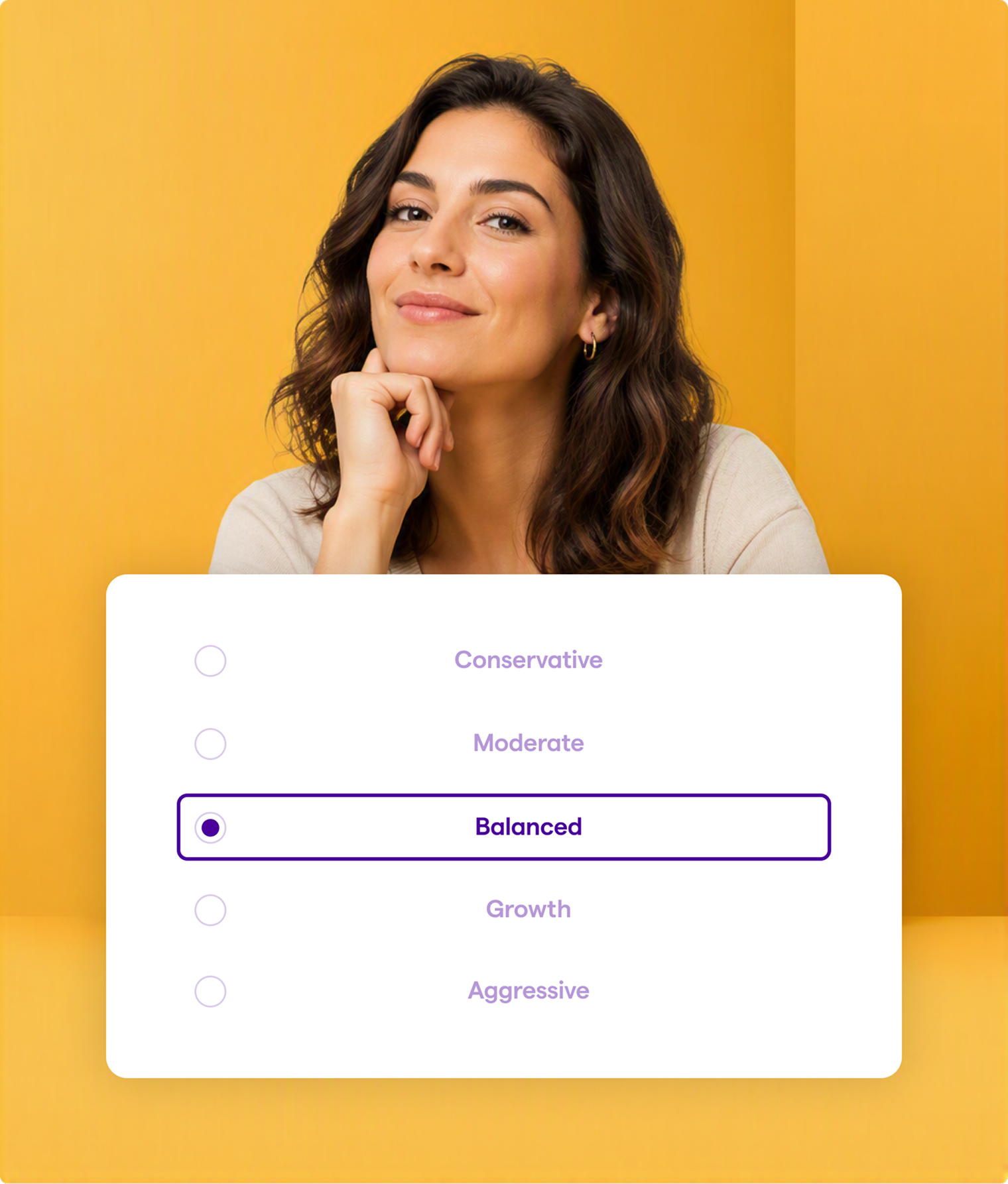
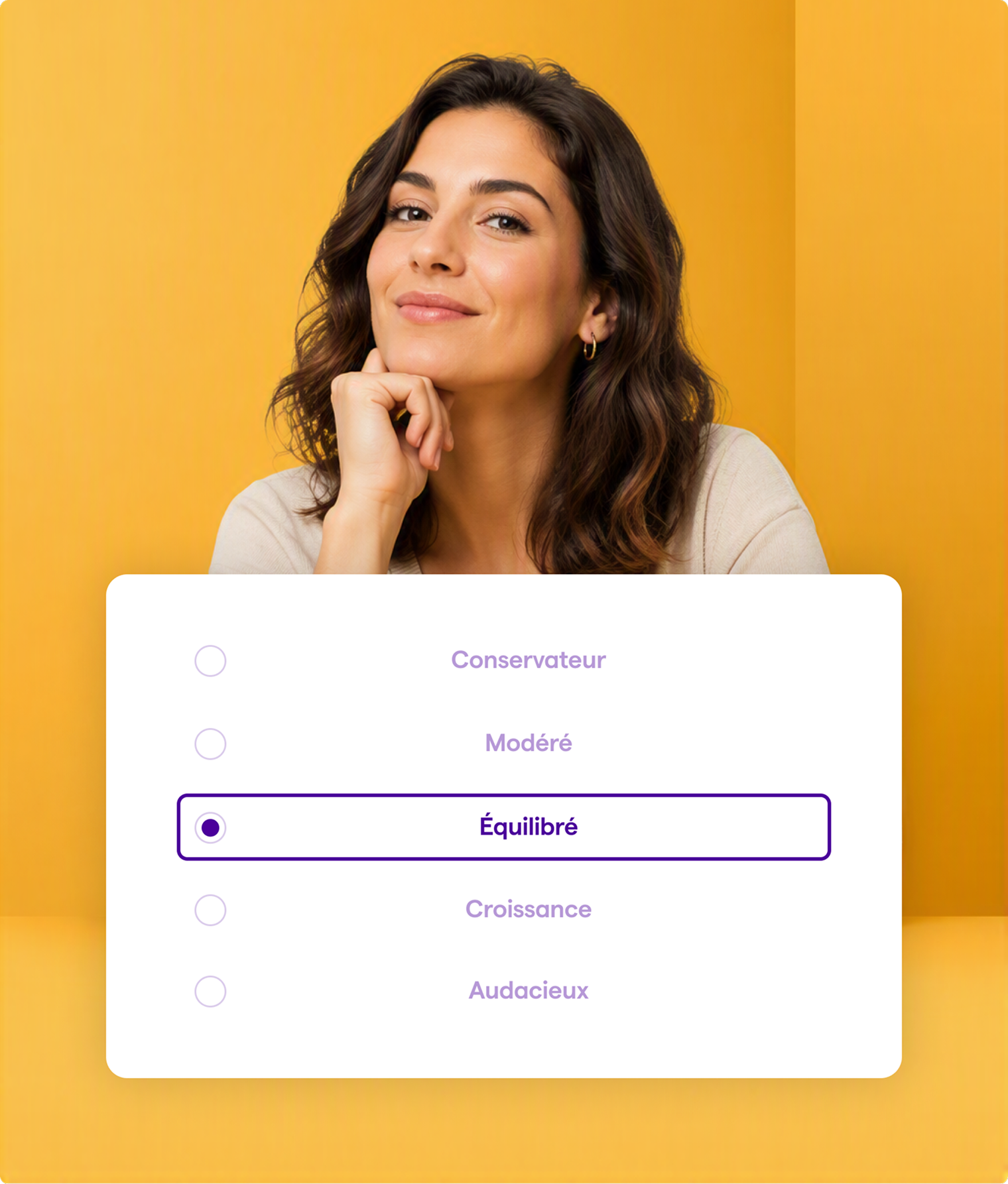
Then, determine the best way to reach it by considering your investment time horizon, contribution amount and frequency, risk profile and the investment options best suited to your goal.
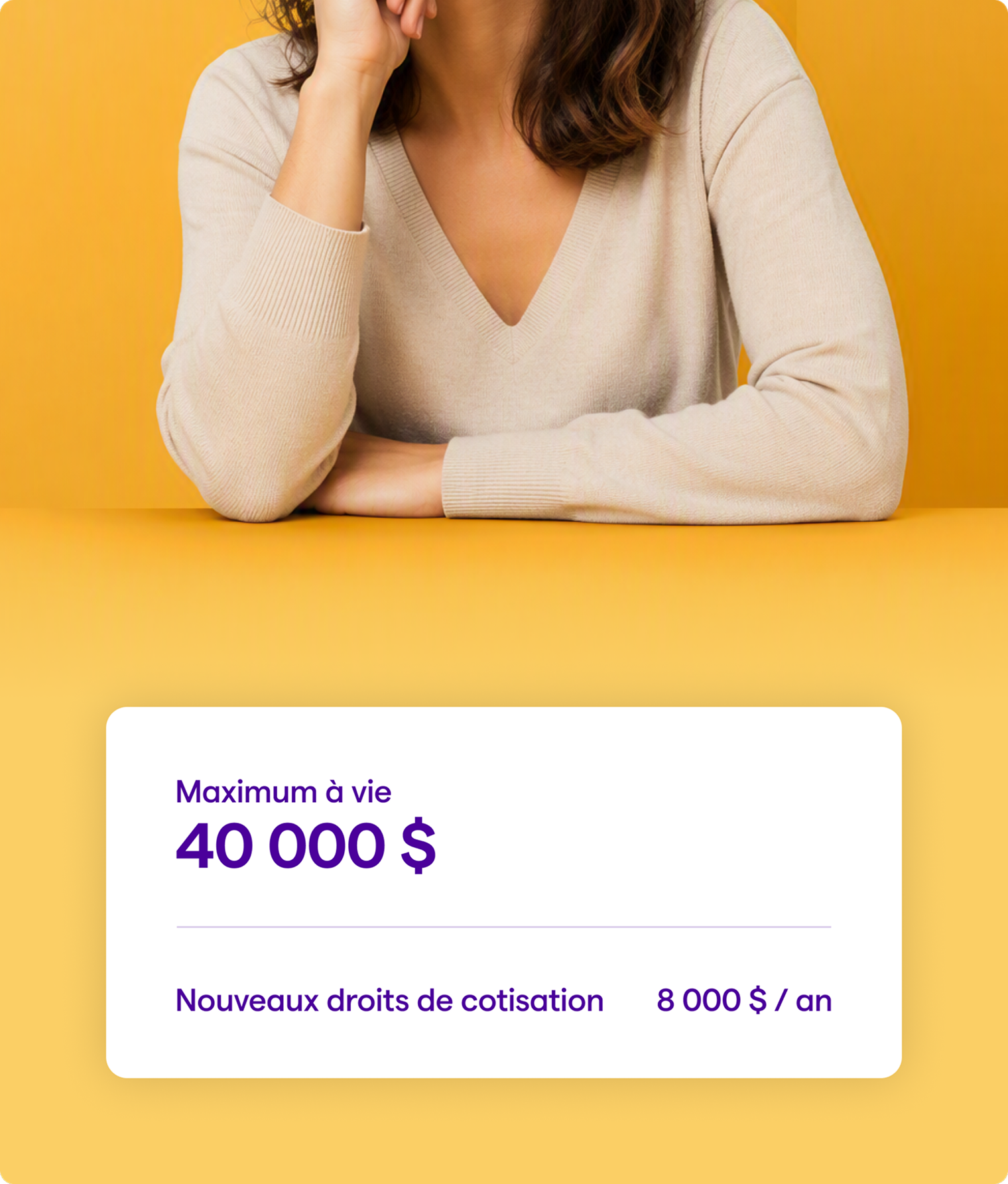
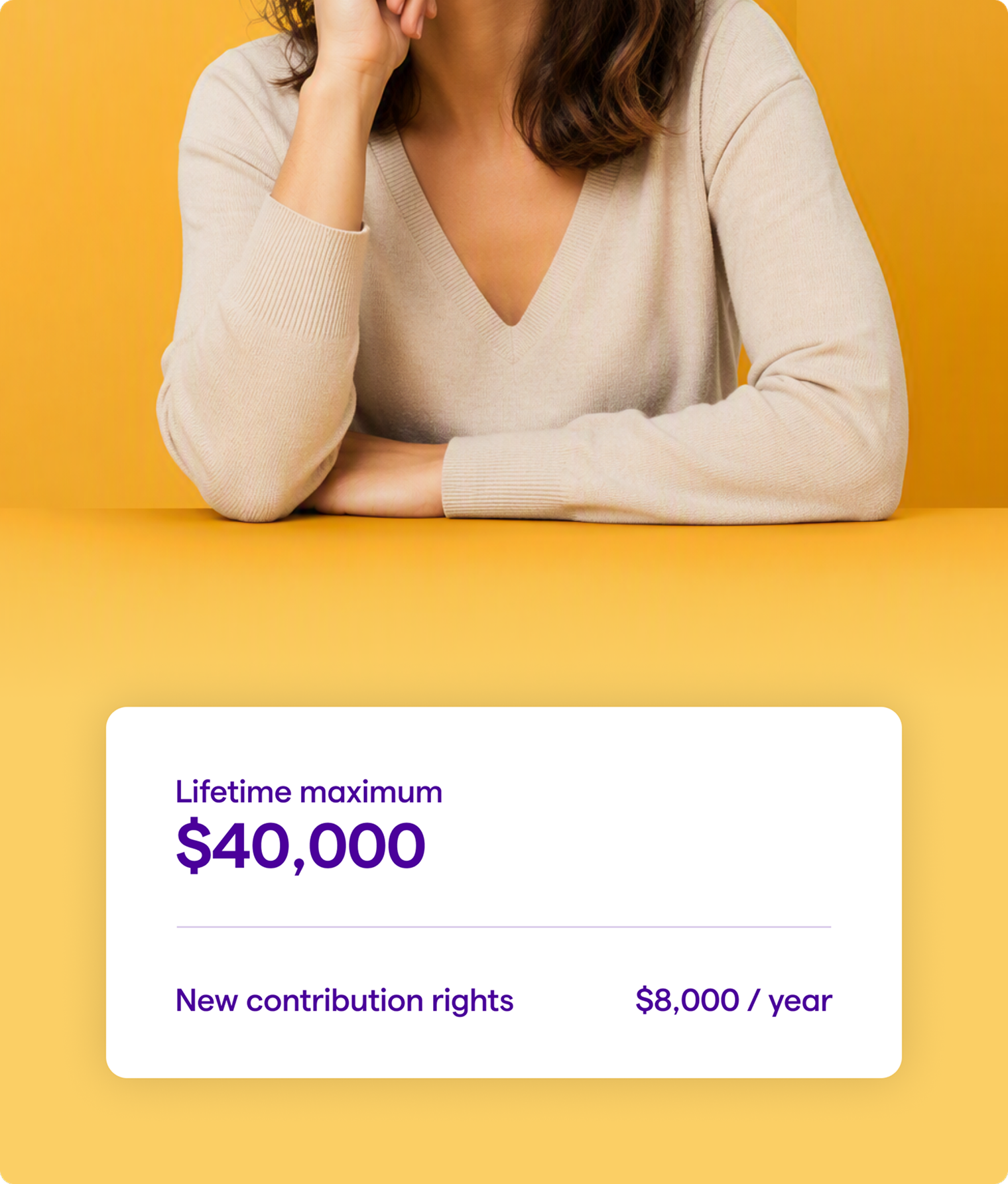
Contribute up to $8,000 per year to your FHSA, to a lifetime maximum of $40,000.
Didn't use all of your contribution room this year? Any unused amount can be carried forward to the following year, up to $8,000.
Grow your savings tax-free. Even the investment income you earn is not taxable.
Good to know: An FHSA cannot remain open indefinitely. You must close it no later than December 31 of the year in which the first of the following events occurs:

Withdraw the amount you've accumulated tax-free. You can use all your savings for your down payment without having to repay any of the funds you withdraw.
Each of these registered plans offers different advantages. Compare them to choose the strategy that best aligns with your goals.
| FHSA | |
|---|---|
Primary purpose | Save for a first home |
Secondary purpose | Save for retirement |
Maximum annual contribution | $8,000 in new contribution room per year $40,000 lifetime limit |
Tax-deductible contributions | Yes |
Tax-free growth | Yes |
Tax payable at withdrawal | No, if it is a qualifying withdrawal |
Repayment required after withdrawal | No |
| RRSP | |
|---|---|
Primary purpose | Save for retirement |
Secondary purpose | Save for a first home (HBP) or finance your education (LLP) |
Maximum annual contribution | 18% of the previous year’s earned income, up to the annual contribution limit |
Tax-deductible contributions | Yes |
Tax-free growth | Yes |
Tax payable at withdrawal | Yes, unless the withdrawal is made under the HBP or LLP |
Repayment required after withdrawal | Yes, under the HBP or LLP |
| TFSA | |
|---|---|
Primary purpose | Save for short- or medium-term goals |
Secondary purpose | Save for retirement |
Maximum annual contribution | Contribution limit set annually by the Canada Revenue Agency |
Tax-deductible contributions | No |
Tax-free growth | Yes |
Tax payable at withdrawal | No |
Repayment required after withdrawal | No |
| FHSA | RRSP | TFSA | |
|---|---|---|---|
Primary purpose | Save for a first home | Save for retirement | Save for short- or medium-term goals |
Secondary purpose | Save for retirement | Save for a first home (HBP) or finance your education (LLP) | Save for retirement |
Maximum annual contribution | $8,000 in new contribution room per year $40,000 lifetime limit | 18% of the previous year’s earned income, up to the annual contribution limit | Contribution limit set annually by the Canada Revenue Agency |
Tax-deductible contributions | Yes | Yes | No |
Tax-free growth | Yes | Yes | Yes |
Tax payable at withdrawal | No, if it is a qualifying withdrawal | Yes, unless the withdrawal is made under the HBP or LLP | No |
Repayment required after withdrawal | No | Yes, under the HBP or LLP | No |
To open an FHSA, you must:
To be considered a first-time home buyer, neither you nor your spouse or common-law partner can have owned and occupied a principal residence during the year the account is opened or during the previous four calendar years.
Typically, no. To open an FHSA, neither you nor your partner can have owned a principal residence during the year you open the account or in the previous four calendar years.
However, if you opened your FHSA before entering into the relationship, you may continue contributing to it and use it toward the purchase of a first home, provided you continue to meet the other eligibility requirements.
Because eligibility rules can vary depending on your specific circumstances, it's a good idea to confirm your eligibility with a financial advisor.
Yes. If you both meet the eligibility requirements, you can each open your own FHSA and save toward the purchase of the same first home. You can then combine the funds accumulated in your respective accounts and use them toward your down payment.
Yes. Anyone can help someone save toward the purchase of a first home.
However, you cannot contribute directly to another person's FHSA. Instead, you can give them money to deposit into their own account, and they will receive the associated tax benefits.
Yes. You can have both a TFSA and an FHSA at the same time. These registered plans have different rules and offer different benefits.
For example, the FHSA is specifically designed to help you save for the purchase of a first home, while a TFSA can be used for any savings goal.
You can also use the savings accumulated in your TFSA to help supplement your down payment.
If you exceed your FHSA contribution room, you may be subject to a 1% tax per month on the excess amount remaining in your account.
If you think you may have overcontributed, contact your advisor as soon as possible to help correct the situation and minimize any potential penalties.
A qualifying home is a property located in Canada that you intend to occupy as your principal residence within one year of purchasing or building it.
Here are a few examples:
A qualifying withdrawal allows you to withdraw the savings accumulated tax-free from your FHSA to buy or build your first home.
To qualify, you must:
Before withdrawing your savings, you must complete
Form RC725 – Request to Make a Qualifying Withdrawal from an FHSA.Note that an FHSA can remain open for a maximum of 15 years.
If your plans change, you may be able to transfer the savings accumulated in your FHSA to an RRSP or a RRIF, provided certain conditions are met. The amount transferred does not affect your RRSP contribution room.
You can also withdraw the funds from your account. However, in that case, the withdrawal may be taxable.
Yes. You can transfer the savings accumulated in your FHSA to an RRSP or a RRIF on a tax-deferred basis, provided certain conditions are met.
The amount transferred does not reduce your RRSP contribution room.
This can be an attractive option if you do not use your FHSA to purchase a first home before the account must be closed.

Expand your knowledge of the FHSA and buying your first home with our webinars and articles.
Each option comes with its own balance of potential returns and risk. Choose the one that best fits your goals and comfort level.


